
When Jaw Clicking Is Normal vs. When It Needs Treatment
February 17, 2026 9:00 amMost of the joints in your body move quietly in the background. Your jaw, however, sometimes makes its presence known. A pop here. A click there. The real question is whether that sound is harmless — or a sign something needs attention.
At Blue Valley Smiles in Overland Park, KS, Dr. Rachel Karabas and Dr. Graham Naasz evaluate jaw joint concerns regularly. Not every click requires treatment. But certain symptoms shouldn’t be dismissed. Here’s how to tell the difference.
Why Jaws Click in the First Place
Your jaw joint — the temporomandibular joint, or TMJ — is one of the most active joints in your body. It allows you to speak, chew, swallow, and express emotion. Inside that joint is a small cartilage disc that cushions movement between the bones.
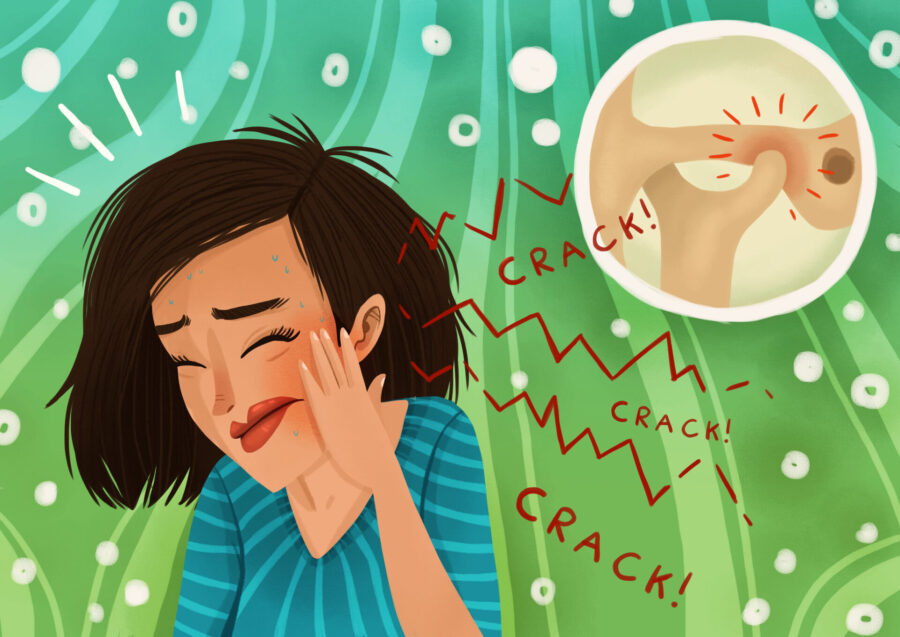
When everything is aligned properly, the disc glides smoothly as your jaw opens and closes. A clicking sound usually happens when that disc shifts slightly out of position and then moves back into place as you open your mouth. That movement creates the pop or click you hear.
In many cases, this is called disc displacement with reduction — meaning the disc temporarily slips but returns to position. It can sound concerning, but it doesn’t automatically mean damage is occurring.
When Jaw Clicking Is Likely Normal
Jaw clicking may be considered relatively benign if it:
- Is painless
- Has remained consistent over time
- Doesn’t limit how wide you can open
- Doesn’t cause chewing difficulty
- Isn’t accompanied by headaches or facial soreness
Some people have mild joint noises for years without progression. If the joint moves freely and you’re not experiencing discomfort, it may simply be how your joint tracks.
During routine dental exams at Blue Valley Smiles, Dr. Karabas and Dr. Naasz can evaluate how your jaw opens, closes, and shifts side to side. Tracking those movements over time helps determine whether a click is stable or changing.
Signs Jaw Clicking May Need Treatment
Clicking becomes more significant when other symptoms show up alongside it.
You should schedule an evaluation if you notice:
- Pain in front of the ear or along the jawline
- A feeling of tightness or fatigue when chewing
- Headaches that seem connected to jaw tension
- Jaw locking or catching
- Difficulty opening fully
- A click that has grown louder or more frequent
Pain is often the tipping point. A painless click is usually mechanical. A painful click suggests inflammation, strain, or joint stress.
Locking is especially important. If your jaw occasionally gets stuck open or closed, even briefly, that’s a sign the disc may not be repositioning properly.
Common Causes of Problematic Jaw Clicking
Several factors can contribute to TMJ symptoms:
- Teeth grinding or clenching (bruxism): Constant pressure stresses the joint and surrounding muscles.
- Bite misalignment: When teeth don’t fit together evenly, the jaw may shift to compensate.
- Stress-related muscle tension: Jaw muscles can tighten without you realizing it.
- Trauma or injury: Even minor impacts can alter joint mechanics.
Identifying the underlying cause guides treatment. Not every clicking jaw requires the same solution.
Treatment Options
The good news is that most TMJ-related clicking is treated conservatively.
Depending on the cause, treatment may include:
- A custom nightguard to reduce clenching pressure
- Bite evaluation and possible adjustment
- Orthodontic consultation if alignment plays a role
- Muscle relaxation strategies
- Short-term anti-inflammatory guidance
Surgery is rarely needed for routine clicking. The goal is usually to reduce strain, calm inflammation, and stabilize the joint before symptoms worsen.
Don’t Wait for Locking
One important distinction: if your jaw begins locking — meaning it temporarily won’t open or close fully — that’s no longer just a harmless click. Locking suggests the disc may not be moving properly and should be evaluated promptly.
Early treatment often prevents progression.
Jaw Clicking Treatment in Overland Park, KS
Jaw clicking doesn’t automatically mean something is wrong. But when pain, stiffness, or locking enter the picture, it’s time for a closer look.
At Blue Valley Smiles in Overland Park, KS, Dr. Rachel Karabas and Dr. Graham Naasz evaluate jaw function as part of comprehensive dental care. If your jaw clicking has changed, become uncomfortable, or started affecting daily life, schedule an appointment for an evaluation.
Understanding whether your clicking is simply mechanical or a sign of joint strain can help protect your comfort and long-term oral health.
CONTACT USImage from Authority Dental under CC 2.0
Categorised in: TMJ Disorders