
Sealants vs Fillings: Preventing vs Repairing Cavities
July 10, 2026 9:00 am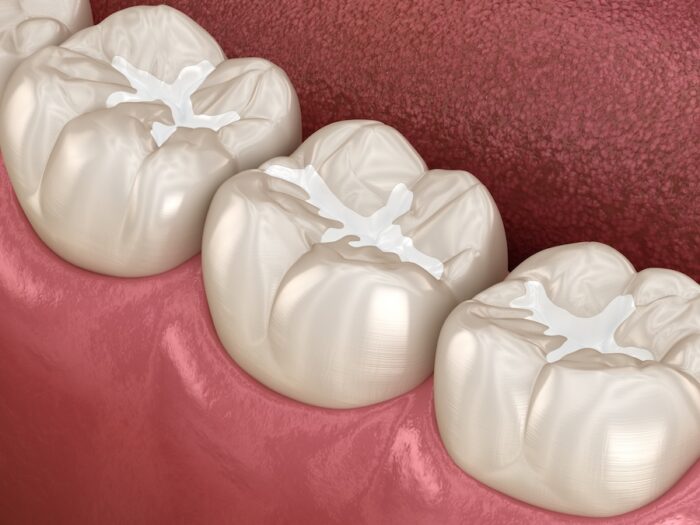
Sealants and fillings both come up in conversations about cavities, but they do very different jobs. Sealants are used to protect teeth before a cavity forms. Fillings are used after decay has already damaged part of the tooth.
This comes up often with back teeth. Molars have small grooves and pits on the chewing surfaces, and those areas can trap food and plaque even when someone brushes well. If the tooth is still healthy, a sealant may help protect those grooves. If decay has already created a cavity, the damaged area needs to be cleaned out and repaired with a filling.
At Blue Valley Smiles in Overland Park, KS, Dr. Rachel Karabas and Dr. Graham Naasz can look at the tooth, check whether decay is present, and explain which option fits the situation. Sometimes the answer is prevention. Other times, the tooth already needs repair.
Understanding the difference can make treatment recommendations clearer, especially when one tooth needs a sealant and another needs a filling.
What Dental Sealants Do
A dental sealant is a thin protective coating placed over the chewing surface of a back tooth. It is most often used on molars and premolars because those teeth have grooves and pits where food and plaque can settle.
Even with good brushing, those grooves can be tricky to clean. Toothbrush bristles may skim over the surface without reaching the deepest parts. Over time, plaque can sit in those narrow spaces and raise the risk of a cavity.
A sealant covers those grooves so the chewing surface is smoother and easier to keep clean. It does not cover the whole tooth like a crown, and it does not go between teeth. Instead, it adds a protective layer over the top chewing surface where cavities often start.
Sealants are commonly recommended for children and teens once permanent molars come in. However, adults with deep grooves and no decay may benefit from them too. The tooth needs to be a good candidate before decay has already broken through the enamel.
What Fillings Do
A filling is used after a cavity has already formed. When bacteria and acid damage the enamel and create decay, the damaged part of the tooth needs to be removed. Then the area is filled with a dental material to restore shape and function.
Fillings are not only about closing a hole. They help stop decay from spreading deeper into the tooth. They also help rebuild the tooth so you can chew comfortably and keep food from packing into the damaged area.
Without a filling, a cavity can grow. It may move from enamel into dentin, then closer to the nerve inside the tooth. At that point, the tooth may become sensitive, painful, or infected. A cavity that could have been treated with a small filling may eventually need a crown, root canal, or extraction.
Dr. Karabas or Dr. Naasz may recommend a filling when an exam or X-ray shows that decay has moved beyond the earliest stage and the tooth structure needs to be repaired.
The Main Difference Is Prevention Versus Repair
The biggest difference between sealants and fillings is the purpose of treatment. Sealants help prevent cavities in healthy, cavity-prone grooves. Fillings repair teeth after decay has already damaged the tooth structure.
For example, a child may have newly erupted permanent molars with deep grooves but no cavity. In that case, sealants may be recommended to help protect those surfaces during cavity-prone years.
On the other hand, if a molar already has a cavity in one of those grooves, a sealant cannot simply cover it and make it go away. The decayed area needs to be treated first. Otherwise, the cavity can continue spreading underneath.
That is why Dr. Karabas or Dr. Naasz checks the tooth carefully before recommending treatment. Two grooves may look similar from the outside, but one may be healthy and stain-free, while another may have early breakdown that needs a different plan.
What if There Is a Very Early Spot of Decay?
Not every early cavity risk turns into a filling right away. If a tooth has a very early area of enamel change, Dr. Karabas or Dr. Naasz may talk about preventive or minimally invasive options before the tooth needs a traditional filling.
Sometimes fluoride treatment, improved home care, or close monitoring may be recommended. In certain situations, silver diamine fluoride, often called SDF, may be discussed to help stop or slow active decay. SDF is not the same as a sealant, and it is not used for every tooth, but it can be helpful in select cases.
A sealant may still be part of prevention when the chewing grooves are healthy or at risk. However, once decay is active or the tooth structure has softened, the dentist needs to decide whether the area can be managed preventively or whether it needs repair.
This is where the exam makes a difference. A dark groove is not always a cavity. A small white or brown spot is not always ready for a filling. The recommendation depends on whether the enamel is intact, whether the area is active, and how likely it is to progress.
Why Back Teeth Often Need Extra Protection
Back teeth do a lot of heavy chewing. They also have a more complex shape than front teeth. Instead of a smooth flat surface, molars often have grooves, pits, and tiny valleys where plaque can sit.
Kids and teens can have an especially hard time keeping those areas clean. Their molars may be new, their brushing technique may still be developing, and their snacks or drinks may change throughout the school day. Even adults with careful brushing can have molars with grooves that are narrow enough to trap plaque.
Fluoride toothpaste helps strengthen enamel, and floss helps clean between teeth. However, floss does not clean the chewing grooves on top of molars, and a toothbrush may not fully reach the deepest parts.
Sealants add another layer of protection in those areas. They are not a free pass to skip brushing, but they can reduce the chance that food and plaque sit in the grooves long enough to start decay.
Sealants Are Often Quick and Comfortable
Getting sealants is usually a simple appointment. The tooth is cleaned first, then dried so the sealant material can bond to the chewing surface. A conditioning gel may be used briefly, then rinsed away. After that, the sealant is placed into the grooves and hardened with a special light.
There is usually no drilling and no numbing for a routine sealant. The process is often easier than people expect, especially for kids who may feel nervous about dental work.
Once the sealant is hardened, the dentist checks the bite to make sure it does not feel high or awkward. The tooth may feel a little different at first because the grooves are covered, but that feeling usually settles quickly.
Sealants can wear over time, especially on teeth that do a lot of chewing. During routine visits, Dr. Karabas and Dr. Naasz can check whether the sealant is still intact or whether part of it needs to be touched up.
Fillings Involve Removing Decay First
A filling appointment is different because the tooth already has decay. Before the tooth can be repaired, the damaged area needs to be cleaned out.
The tooth is usually numbed so treatment is comfortable. Then the decayed portion is removed, and the area is shaped so the filling material can fit properly. Once the tooth is ready, the filling is placed, shaped, and polished so the bite feels right.
After a filling, the tooth may feel slightly sensitive for a short time, especially to cold or pressure. That often improves as the tooth settles. However, if the bite feels high or soreness continues, the office should know so the filling can be checked.
Fillings can last for many years, but they are not permanent. Over time, they can wear, chip, or develop small gaps around the edges. Regular exams help the dental team check old fillings before they turn into larger problems.
Do Adults Need Sealants Too?
Sealants are often talked about for children, but adults can have them in the right situation. An adult with deep molar grooves, no decay on that surface, and a higher risk for cavities may be a candidate.
For example, someone with dry mouth, frequent snacking, difficulty cleaning back teeth, or a history of cavities may benefit from extra protection on healthy molars. Sealants may also be helpful when the grooves are narrow and deep even though the tooth has not developed decay.
However, adults are also more likely to have existing fillings, worn enamel, cracks, or stained grooves that need a closer look before sealants are recommended. If a molar already has a filling or decay in that area, a sealant may not be the right option.
The dentist can help sort that out. Sealants work best when they are placed before there is damage to repair.
Do Sealants Replace Good Brushing and Flossing?
Sealants help protect the chewing surfaces of back teeth, but they do not protect every surface. Cavities can still form between teeth, near the gumline, or around old dental work.
That means brushing and flossing still play a role. A sealant may protect the grooves on top of a molar, but floss is still needed between the teeth. Fluoride toothpaste still helps strengthen enamel. Regular dental visits still help catch changes early.
For kids, sealants can be a helpful backup during years when brushing may be rushed or inconsistent. A child may brush the front teeth well but miss the back molars, especially before school or at bedtime when everyone is tired.
For adults, sealants can help protect certain high-risk grooves, but they are only one piece of cavity prevention. Diet, saliva flow, home care, fluoride, and regular cleanings all play a role too.
How Dentists Decide Between a Sealant and a Filling
The decision starts with the condition of the tooth. Dr. Karabas or Dr. Naasz will look at whether the enamel is intact, whether the grooves are deep, whether there are signs of decay, and whether the tooth already has a restoration.
X-rays may be used when the dentist needs to see between teeth or check whether decay extends below the surface. Not every groove needs an X-ray, but images can be helpful when the exam does not tell the full story.
If the tooth is healthy and cavity-free, a sealant may be recommended to help prevent decay. If the tooth already has a cavity, a filling may be needed to repair it. If the damage is larger, another type of restoration may be recommended.
Age, cavity risk, brushing habits, dry mouth, diet, orthodontic treatment, and previous dental history can also influence the recommendation. The choice is not only about what the tooth looks like today. It is also about how likely that tooth is to develop problems later.
What Parents Should Know About Sealants and Fillings
Parents often hear about sealants when their child’s permanent molars come in. Those first permanent molars usually arrive around age six, and second permanent molars often come in around age twelve. Because they erupt far back in the mouth, they can be hard for kids to brush well at first.
Sealants can help protect those chewing surfaces during a stage when kids are still learning how to clean carefully. They are especially helpful for molars with deep grooves. They are also often covered by dental insurance for children, although coverage can vary by plan, tooth, and age. The team at Blue Valley Smiles can help you understand your benefits before treatment.
Fillings, on the other hand, mean a cavity has already formed. If your child needs a filling, it does not automatically mean anyone did something wrong. Some teeth are simply more cavity-prone, and kids’ routines can change with school, snacks, sports drinks, braces, or busy evenings.
A sealant protects a tooth that is still healthy. A filling repairs a tooth that already has decay. Both can be part of a child’s dental care, but they are not interchangeable.
When to Ask About Sealants
It is worth asking about sealants when your child’s permanent molars come in, especially if the grooves look deep or the dentist has mentioned cavity risk before. You can also ask if your child has had cavities in other teeth or has trouble brushing the back molars well.
Adults can ask too, particularly if they have deep grooves, dry mouth, or a history of cavities on molars. If the tooth is still healthy, a sealant may help protect it.
You might also ask whether existing sealants are still holding up. Sealants can last for years, but they can wear down or chip. During checkups, the dental team can see whether they are still covering the grooves properly.
If a sealant is missing or partly worn, it may be repaired or replaced if the tooth underneath is healthy. If decay has started, the plan may change to a filling or another treatment instead.
Sealants and Fillings at Blue Valley Smiles in Overland Park, KS
Sealants and fillings both help protect teeth, but they do it at different stages. Sealants help prevent cavities by covering deep grooves before decay starts. Fillings repair teeth after a cavity has already formed.
At Blue Valley Smiles in Overland Park, KS, Dr. Rachel Karabas and Dr. Graham Naasz can check your teeth or your child’s teeth and explain whether sealants, fillings, SDF, fluoride, monitoring, or another option makes the most sense. Call Blue Valley Smiles to schedule a visit and get practical guidance for preventing and treating cavities.
CONTACT USCategorised in: Dental Fillings, Dental Sealants