
Deep Cleaning Aftercare: What to Expect the First Week
March 18, 2026 9:00 amWhen patients hear they need a deep cleaning, most of the attention goes to the appointment itself—how it will feel, how long it will take, and what the procedure involves. The recovery afterward isn’t always top of mind, but it plays an important role in how your gums respond in the days that follow.
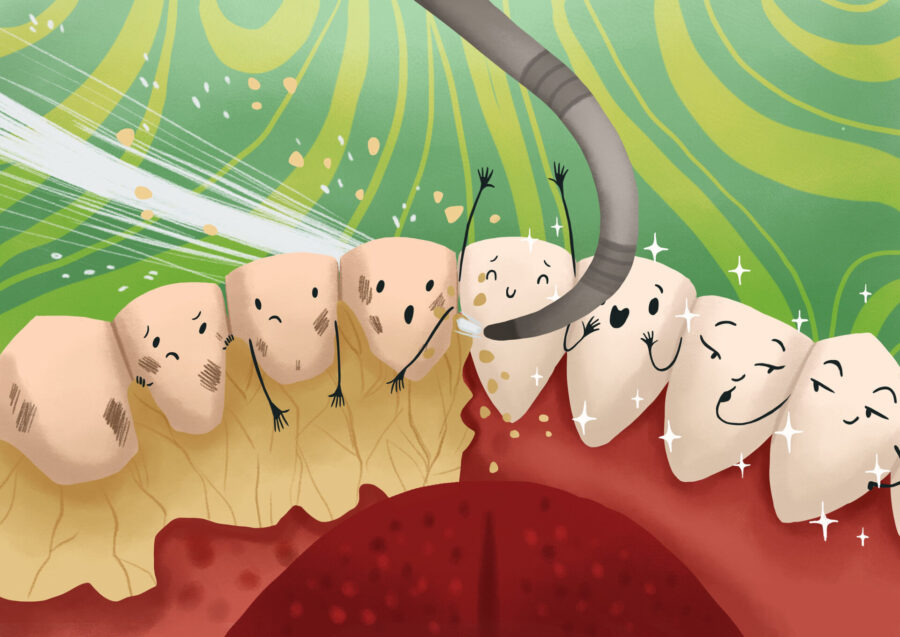
A deep cleaning removes buildup and bacteria from below the gumline, giving the gums a chance to heal and tighten around the teeth again. That process takes a little time, so it’s normal to notice a few changes during the first week.
At Blue Valley Smiles in Overland Park, KS, Dr. Rachel Karabas and Dr. Graham Naasz help patients understand what’s typical after treatment and how to keep things comfortable while healing.
What You May Notice Right After Treatment
In the hours following a deep cleaning, your gums may feel tender, and some mild bleeding is common.
You might notice:
Soreness along the gumline
Slight bleeding when brushing or flossing
Sensitivity to cold foods or drinks
If local anesthetic was used, your mouth may remain numb for a few hours. During that time, it’s best to avoid chewing to prevent accidentally biting your cheek or tongue.
These early symptoms are expected and usually begin to improve within the first couple of days.
The First Few Days: Sensitivity and Adjustment
Over the next few days, sensitivity—especially to cold—is one of the most noticeable changes.
This happens because removing buildup exposes more of the natural tooth surface. Areas that were previously covered may now respond more to temperature.
If your appointment is planned in advance, starting a sensitivity toothpaste a couple of weeks beforehand can help reduce this. However, that preparation isn’t always possible, especially with last-minute or same-day visits. Starting a sensitivity toothpaste afterward or applying a professional fluoride treatment can still help as the teeth adjust.
A simple and effective way to soothe the gums is a warm saltwater rinse. Mixing about one teaspoon of salt in a cup of warm water and rinsing a few times a day—especially during the first two to three days—can help calm irritated tissue.
For patients who can safely take them, over-the-counter anti-inflammatory medications (NSAIDs) may also help reduce soreness during this period.
Eating and Drinking After a Deep Cleaning
It’s usually best to keep meals simple for the first couple of days while the gums are still tender.
Softer foods tend to be more comfortable, such as:
Yogurt
Eggs
Pasta
Cooked vegetables
Soups
It also helps to avoid foods that are very crunchy, spicy, or acidic, since they can irritate healing gum tissue.
As tenderness improves, most patients return to their usual diet without much difficulty.
Keeping the Area Clean (Even If It Feels Tender)
One of the most important parts of recovery is continuing good home care.
It can feel counterintuitive to brush and floss when the gums are sore, but keeping the area clean is what allows the gums to heal properly. Using a soft-bristled toothbrush and gentle pressure makes a noticeable difference.
When brushing, aim the bristles toward the gumline, where bacteria tend to collect. Flossing should also continue daily, even if there is some mild sensitivity at first.
This consistency helps prevent bacteria from rebuilding in the areas that were just treated.
What Happens After the First Week
Most patients notice steady improvement over the first week. Tenderness decreases, sensitivity becomes less noticeable, and the gums begin to feel healthier overall. Beyond that initial healing phase, follow-up care becomes an important part of maintaining the results.
After a deep cleaning, patients are typically scheduled for periodontal maintenance visits more frequently than standard cleanings, often every three to four months. In some cases, the first follow-up visit may be sooner—around six to eight weeks—so the dentist can evaluate how the gums are responding to treatment.
These visits allow for ongoing monitoring and removal of bacteria before it has a chance to build up again, helping to keep the gums stable over time.
Deep Cleaning Aftercare at Blue Valley Smiles in Overland Park, KS
A deep cleaning is an important step in improving gum health, and the first week afterward is part of that process. With a few simple adjustments—like softer foods, gentle brushing, and saltwater rinses—most patients find recovery to be very manageable.
At Blue Valley Smiles in Overland Park, KS, Dr. Rachel Karabas and Dr. Graham Naasz guide patients through both the initial healing phase and the follow-up care that supports long-term gum health.
If you’ve recently had a deep cleaning or have questions about your recovery or maintenance schedule, scheduling a follow-up visit at Blue Valley Smiles in Overland Park, KS can help ensure everything is healing as expected and keep your gums on a healthy path.
CONTACT USImage from Authority Dental under CC 2.0
Categorised in: Periodontal Therapy