
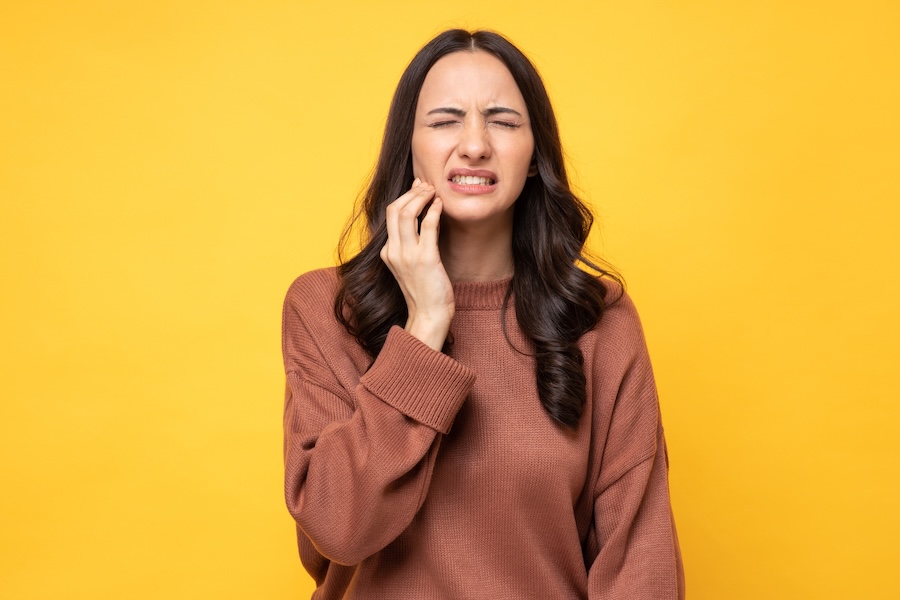
Cracked Tooth or Just Cold Sensitivity? How to Tell in Winter Weather
December 19, 2025 9:00 amWhen winter arrives in Overland Park, many of us reach for warm drinks, cozy blankets, and layers of clothing — but cold weather can also bring an unwelcome dental side effect: tooth sensitivity. That quick zing from a blast of cold air or a sip of iced coffee can leave you wondering: Is this just normal sensitivity, or could my tooth be cracked?
At Blue Valley Smiles, Dr. Rachel Karabas and Dr. Graham Naasz help patients make this distinction all year long — and winter is one of the seasons when sensitivity complaints tend to rise. Understanding the difference between harmless cold sensitivity and a potentially cracked tooth can help you decide when it’s time to call our office.
Cold Sensitivity: A Common Winter Complaint
It’s not unusual for teeth to respond to cold stimuli — especially in winter. Cold air, icy drinks, and rapid temperature changes can cause temporary discomfort if enamel is slightly worn or if gum recession exposes dentin (the layer beneath enamel). People with naturally sensitive teeth, recent whitening treatments, or teeth grinding habits may notice more sensitivity this time of year.
Typical cold sensitivity feels like:
- A brief, sharp sensation only when exposed to cold air or cold substances
- Pain that goes away as soon as the stimulus is removed
- Sensitivity that affects multiple teeth rather than a single spot
This type of sensitivity is usually short-lived and doesn’t come with lingering pain. If your discomfort fades quickly and doesn’t occur during everyday activities, it’s often a sign of temporary cold sensitivity.
When It Might Be a Cracked Tooth
Not all sensitivity is harmless — and cold weather can sometimes highlight a deeper issue: a cracked tooth. Teeth can crack from a variety of causes, including biting into hard foods, clenching or grinding (especially at night), or dental trauma. Some cracks are visible; others aren’t.
Here’s how a cracked tooth might feel different:
- Sharp pain that lingers after the cold stimulus is gone
- Sensitivity that comes and goes unpredictably
- Pain localized to one specific tooth
- Discomfort when biting or chewing, especially on one side
- Sensitivity to sweet or pressure as well as cold
In a cracked tooth, the pain may last longer than a momentary chill — and it may show up more often when chewing or biting down, not just when exposed to cold air.
Why Cold Weather Can Make It Worse
Cold air itself doesn’t cause cracks, but it amplifies sensations that are already there. If enamel is compromised or a crack extends deeper, cold air reaches inner layers of the tooth more easily, resulting in sharper sensations. That’s why a crack that went unnoticed in summer can suddenly feel more dramatic when winter winds blow.
How We Diagnose the Difference
If you’re trying to figure out whether it’s just sensitivity or something more serious, our team at Blue Valley Smiles can help very quickly. During your visit, we’ll:
- Ask detailed questions about the sensation: when it happens, how long it lasts, and what triggers it
- Perform a clinical exam to look for visible cracks or wear
- Use X-rays to check for signs of fracture or underlying issues
- Test the affected tooth with controlled stimuli to pinpoint the problem
A cracked tooth can sometimes be subtle and hard to see with the naked eye — that’s where a dental exam and imaging make all the difference.
What Treatment Might Look Like
If it’s determined that a cracked tooth is causing your discomfort, treatment options vary depending on the location and extent of the crack:
- Bonding or cosmetic resin to seal small cracks
- Dental crowns to protect and reinforce the tooth
- Nightguards if grinding is contributing to cracks
- Root canal treatment if the crack has reached the inner pulp
- Extraction in rare cases where the tooth can’t be saved
Cold sensitivity that isn’t related to a crack can also be managed with strategies like switching to a soft-bristled toothbrush, using sensitive-tooth toothpaste, and avoiding sudden shifts in temperature.
When to Call Blue Valley Smiles
If you’re noticing sensitivity that lasts longer than a second or two, occurs with biting or chewing, or is isolated to a single tooth — especially in the winter months — it’s worth getting checked sooner rather than later. Early intervention can prevent a small crack from becoming a dental emergency.
At Blue Valley Smiles in Overland Park, KS, Dr. Rachel Karabas and Dr. Graham Naasz are here to assess your symptoms, explain what’s going on, and recommend a treatment plan that addresses both comfort and long-term dental health.
Keep Your Smile Comfortable All Winter
Cold weather shouldn’t keep you guessing about your teeth. Whether your discomfort is typical winter sensitivity or something more serious like a crack, we can help you figure it out — and get back to enjoying the season without wincing every time you step outside.
CONTACT USCategorised in: Dental Crowns, Dental Tips, Tooth Sensitivity